


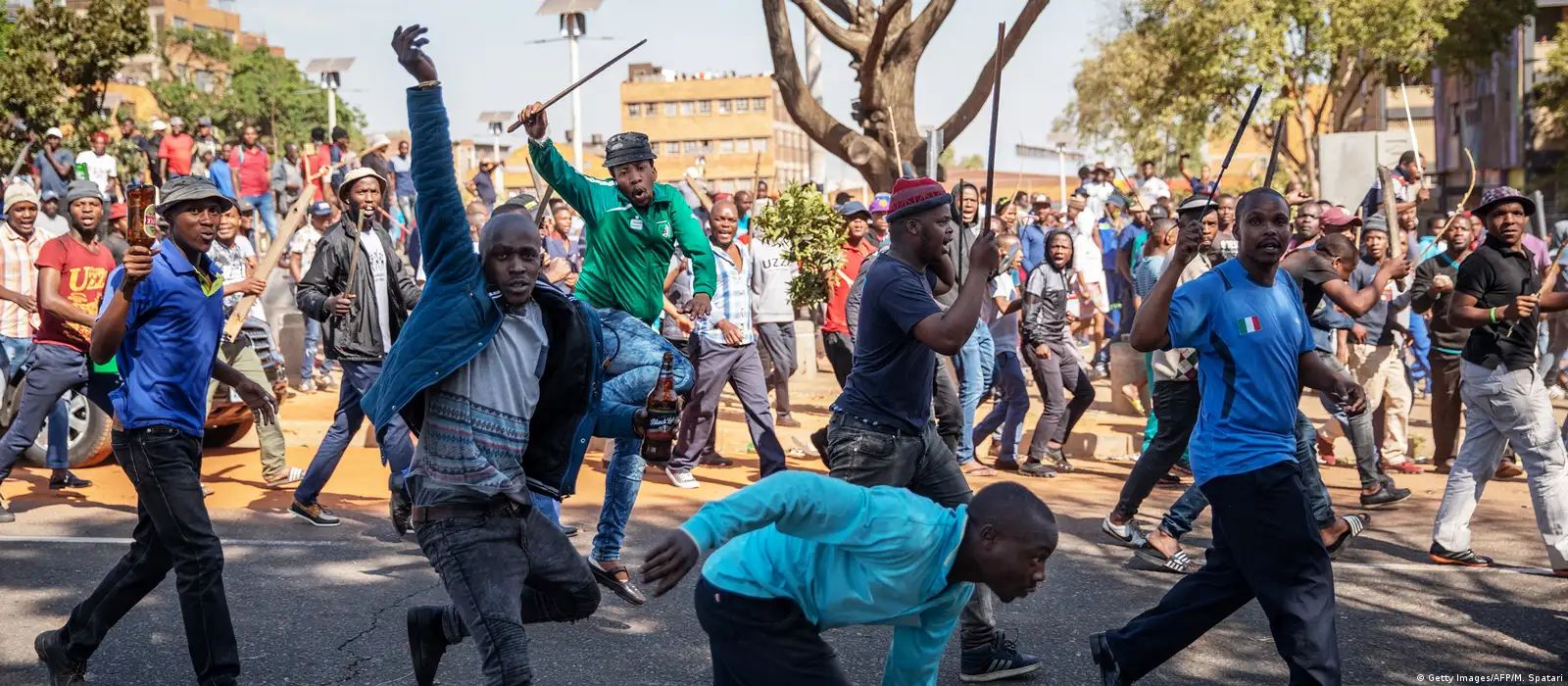
South Africa’s government has rejected claims that foreign nationals are being targeted in a new wave of xenophobic violence, saying many videos and images circulating online are “fake” and designed to damage the country’s reputation.
The controversy has increased diplomatic tension between South Africa and several African countries after social media clips appeared to show migrants being harassed by vigilante groups accusing them of being in the country illegally. In one widely shared video, a man believed to be Ghanaian was reportedly told to “fix his country” and leave South Africa.
Speaking after a cabinet meeting, South African Minister in the Presidency Khumbudzo Ntshavheni said the government had found some of the viral videos to be misleading or fake. She insisted there were no xenophobic attacks taking place, although she admitted that some foreigners had become victims of ordinary crime.
The issue has alarmed several African governments. Ghana formally asked the African Union to discuss the matter, warning that the situation threatens African unity and the safety of migrants living in South Africa. Nigeria also raised concerns and offered to help repatriate its citizens if necessary. Other countries including Kenya, Malawi, Lesotho and Zimbabwe warned their nationals in South Africa to remain cautious.

At the same time, thousands of South Africans have been protesting in major cities against illegal immigration. Demonstrators argue that undocumented migrants are contributing to unemployment, housing shortages and crime. While authorities said citizens have the right to protest, they warned against violence and intimidation.
Xenophobia has been a sensitive issue in South Africa for years, with past outbreaks of deadly attacks against foreign nationals. However, the government says the current protests have mostly remained peaceful and denies accusations that the country is experiencing organized anti-foreigner violence.
President Cyril Ramaphosa’s office has defended South Africa’s image, saying the country remains welcoming and rejecting claims that South Africans are generally xenophobic.


