


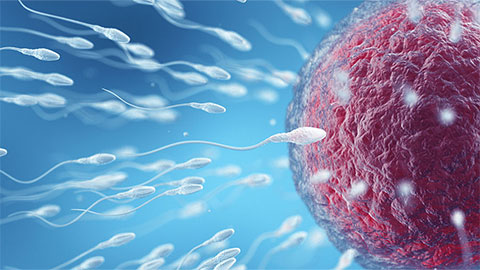
A new artificial intelligence technology is helping doctors find hidden sperm in men who were previously believed to be completely infertile, offering new hope to couples who have spent years trying to have children.
The breakthrough technology, called STAR (Sperm Track and Recovery), was developed by researchers at Columbia University. It uses AI and advanced imaging systems to detect extremely rare sperm cells that traditional methods often fail to find.
One couple who benefited from the technology are Penelope and Samuel from the United States. After more than two years of trying to conceive, doctors discovered that Samuel had Klinefelter syndrome, a genetic condition that often causes infertility and very low sperm production. He was told he had only a small chance of becoming a biological father.
The couple went through many medical procedures and emotional struggles before doctors used the STAR method to search for sperm in Samuel’s tissue samples. The AI-powered system successfully found eight sperm cells, which were then used to fertilize Penelope’s eggs through IVF treatment. One embryo developed successfully, and Penelope later became pregnant.
Researchers say the technology works by analyzing hundreds of microscopic images every second, much like AI systems used in astronomy to search for stars in space. According to fertility specialist Zev Williams, the process is similar to “finding one rare sperm in a sea of debris.”
The STAR system has already helped produce the first baby born using this technology and has attracted interest from hundreds of couples worldwide. In recent cases, researchers found sperm in about 30% of men who had previously been told they had no chance of fathering children naturally.
Experts say AI is becoming increasingly important in fertility treatment, helping doctors select healthy sperm and embryos and improve IVF success rates. However, specialists also warn that more research is needed to confirm the long-term safety and effectiveness of these technologies.
For Penelope and Samuel, the breakthrough has transformed their lives. After years of uncertainty and disappointment, they are now preparing to welcome their baby and say the technology has given them something they once thought was impossible — hope.


